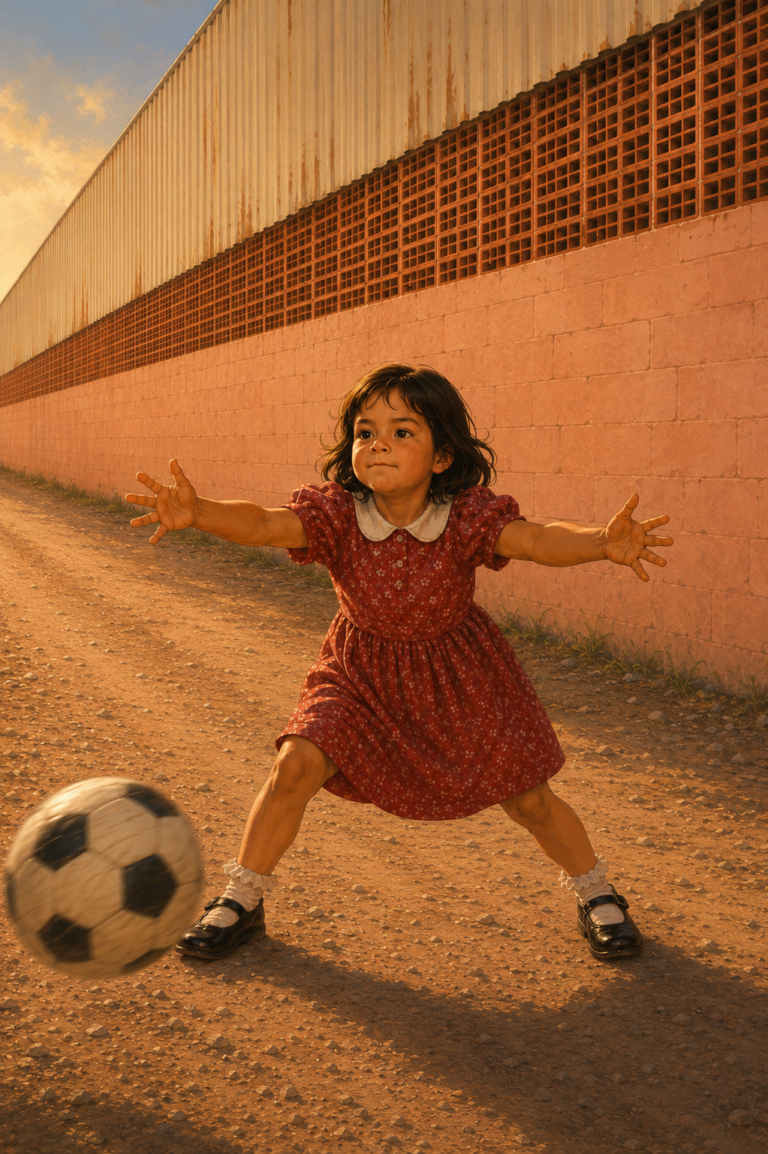

I’ve been surrounded by animal songs for as long as I can remember. Before I understood symbolism, metaphors, or why certain songs stayed with us, they were already woven into the fabric of my life. My mom sang them to me. My Houston grandma sang them to me. Music was part of my family long before I was old enough to understand what made a song meaningful. My maternal grandpa played music, and my paternal great-grandpa did too. My dad wasn’t the one singing nursery rhymes, but music was still part of his language. Some of my favorite childhood memories involve music.
At the time, they were just songs. Now I realize they were stories.
Animal Songs Were Some of My First Stories
When I think about animal songs, I don’t start with symbolism. I start with my mom. She was one of the fun moms. The one who played with us. The one who sang. Music was one of the first things we shared, and it remains one of the strongest connections we have today.
One of the songs I remember most is La Rata Vieja. My mom sang it to me constantly when I was little, and so did my Houston grandma. Years later, I couldn’t tell you where I was sitting when they sang it or what I was wearing, but I can still hear it. I remember making the little ironing motions and bandaging gestures that went with the lyrics. I remember laughing. I remember feeling loved.
Another favorite was El Ratón Vaquero. I loved that song so much I never questioned where it came from. It was just part of childhood. That’s how I later learned those songs weren’t only ours. They were part of something much bigger. If you grew up in a Mexican or Mexican-American family, there’s a good chance Cricrí was already in your house too. The nickname came from the sound of a cricket, and that cricket introduced generations of children to a whole world of mice, ducks, frogs, and every other creature imaginable. For many families, those songs became more than music. They became tradition.
Looking back, I don’t remember when I first noticed how many animal songs existed in Spanish. I don’t remember a time when they didn’t.
The Songs Grew Up With Me
Some animal songs became attached to specific people. By the time La Patita Lulú arrived, I was already grown. It belonged more to my nieces’ generation than mine, but somehow it became part of my life too. I sang it with them, watched them light up when they recognized the words, and realized the tradition was just continuing on its own without anyone planning it.
Then there was La Vaca Lola. If you’ve spent time around small children, you know the power of that song. For my nieces it had a magical ability to calm a rough day. Sometimes all it took was “La vaca Lola, la vaca Lola, tiene cabeza y tiene cola” and the whole mood would shift.
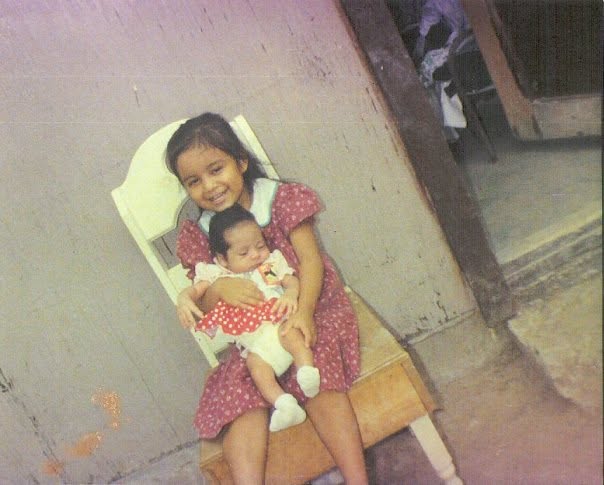
Some songs remind me of my sister. El Gato Volador wasn’t just a song. It was an activity. My sister and I would jump from one side of the room to the other pretending we could fly. Five years feels like a lifetime when you’re a kid, but for a few minutes at a time, we were completely convinced. I don’t remember every lyric. I remember the jumping. I remember the laughter. I remember sharing that little world with her. The song was just the excuse.
And then there was El Baile del Gorila. Not every animal song has to carry a lesson. Some of them are just joy.
A Butterfly, a Wolf, and a Cat
As I got older, the animals changed. The songs got bigger. The stories got heavier. But the animals never disappeared.
One of the songs that stayed with me is Mariposa de Barrio by Jenni Rivera. A butterfly begins as one thing and becomes another, yet somehow remains itself the entire time. There have been seasons of my life that looked nothing like the ones before them. New jobs. New cities. New versions of myself. A butterfly feels like the right animal for that kind of change.
Then there is La Loba. The wolf is not the story. The wolf is the vehicle. The real story is autonomy. The refusal to be caged. The choice to stay connected to your instincts, your voice, your own freedom.
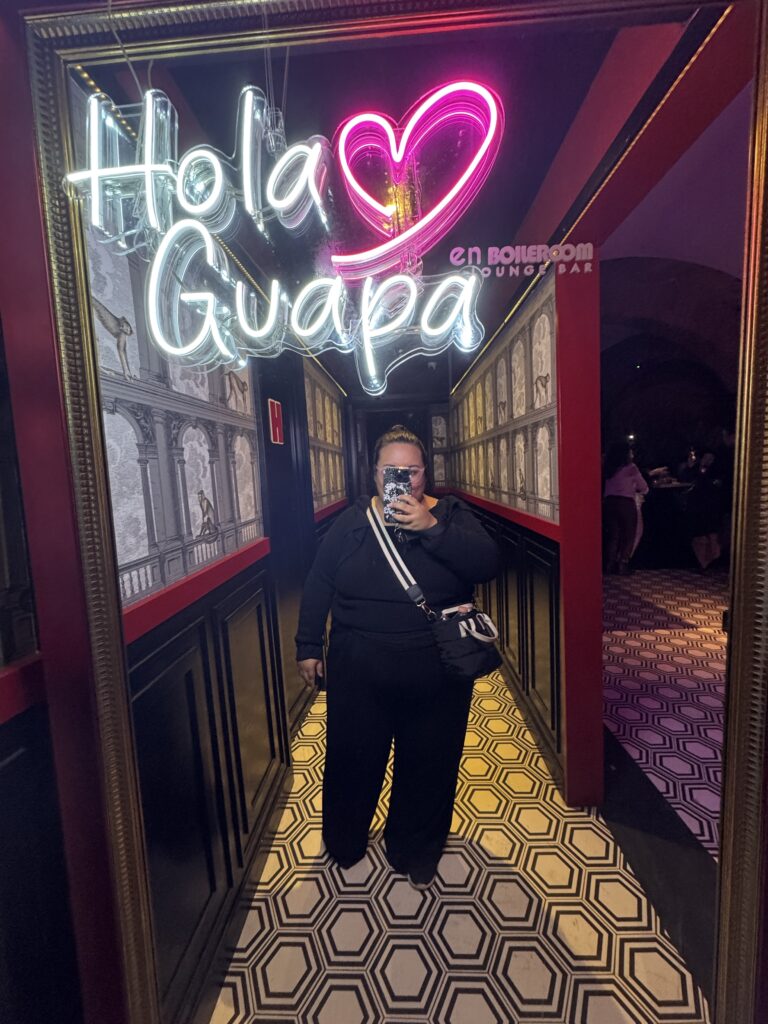
And then there’s La Gata Bajo la Lluvia. Most people would call it a heartbreak song. They’re not wrong, but that’s not the whole story. For me it’s also a cleaning playlist song. A karaoke song. A sing-at-the-top-of-your-lungs song. One of my favorite memories is a Noche de Despecho in Monterrey. The room was full of women singing together. Some were probably heartbroken. Some probably weren’t. It didn’t matter. For a few minutes, everyone became the cat in the rain. The song is about vulnerability and longing, but it is also about community. The animal becomes a shared language.
Why Animal Songs Stay With Us for a Lifetime
The more I thought about it, the more I realized these songs were never really about animals at all. Not entirely. Animals make stories easier to carry. Children understand them without being taught. Cultures have used them as symbols for centuries because they work. The specific animal changes, but the purpose stays the same. The animal holds the emotion. It holds the lesson. It holds the memory.
The rhythm changes. The genre changes. The audience grows up. But the symbolism stays. And somehow, the songs do too.
When I think about animal songs now, I don’t think about rats or ducks or cows or butterflies or wolves or cats. I think about my mom singing to me. I think about my Houston grandma. I think about my grandfathers playing guitar and accordion while everyone sang along. I think about jumping across the room with my sister, convinced for a few seconds that we could actually fly. I think about calming my nieces with La Vaca Lola. I think about crowded rooms full of strangers singing together like they’d known each other forever.
The older I get, the more convinced I become that the songs were never the point. The people were. The animal is just the vehicle. The story is what stays. And somehow, decades later, we’re all still singing.